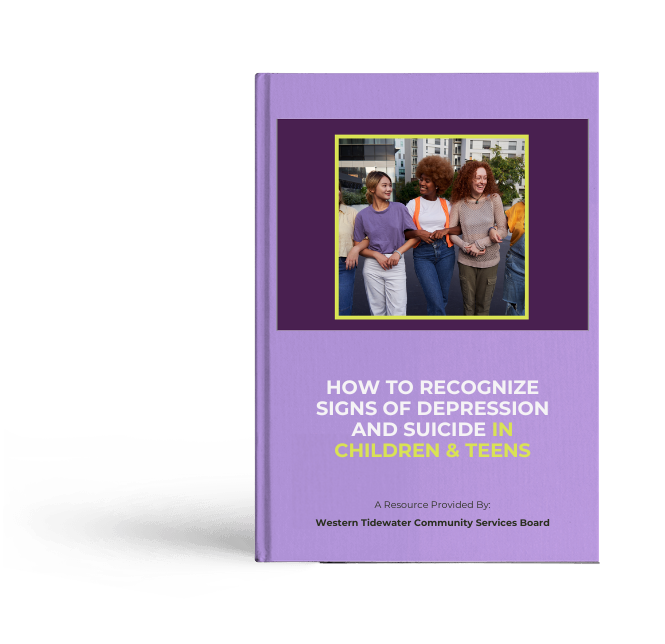


The Solution: Identifying these experiences early—and understanding their impact—allows for trauma-informed care that can prevent long-term health crises. Your past does not dictate your future.
Local Action: Western Tidewater Community Services Board (WTCSB) offers comprehensive education and prevention programs across Suffolk, Franklin, Isle of Wight, and Southampton. By understanding ACEs, you can break the cycle. Visit our website to find upcoming trainings and register today!
You want the absolute best for your family. Whether you are a parent raising a young child, an educator shaping young minds, or an adult reflecting on your own upbringing, there is a universal desire to build a safe, healthy life. You work hard to provide, to protect, and to guide. You are the hero of your family’s story, constantly striving to overcome the obstacles in your path.
But sometimes, despite our best efforts, there are invisible weights we carry. Perhaps you have noticed a pattern of anxiety or depression in your own life that you just cannot seem to shake. Maybe you are watching a teenager in your life struggle with emotional regulation, substance use, or intense behavioral reactions, and you are left wondering, “Where is this coming from? Why is everything so hard?”
Your inner critic might try to tell you that these struggles are a sign of personal weakness or a character flaw. It might whisper that you simply aren’t trying hard enough.
We want to silence that inner critic right now. What if the profound struggles you or your loved ones are facing aren’t a matter of “what is wrong with you,” but rather a biological response to “what happened to you”?
In the mental health and medical fields, there is a groundbreaking framework that answers this exact question. It is called Adverse Childhood Experiences (ACEs). Understanding ACEs is one of the most powerful tools we have to heal ourselves, support our children, and break the cycle of generational trauma here in Eastern Virginia.
What Exactly Are Adverse Childhood Experiences (ACEs)?
The concept of Adverse Childhood Experiences originated from a massive, landmark study conducted by the CDC and Kaiser Permanente in the late 1990s. The researchers asked thousands of adults about their childhood experiences and then tracked their long-term health outcomes. The results completely revolutionized how we view public health and mental wellness.
ACEs are potentially traumatic events that occur in childhood (from ages 0 to 17).
These experiences can cause profound, lasting stress. They are generally grouped into three main categories:
1. Abuse:
- Physical abuse
- Emotional or verbal abuse
- Sexual abuse
2. Neglect:
- Physical neglect (lack of food, clean clothes, or a safe place to live)
- Emotional neglect (lack of affection, support, or attention)
3. Household Dysfunction:
- Growing up with a family member who struggles with severe substance abuse or addiction.
- Having a family member with an untreated, severe mental illness.
- Witnessing domestic violence against a parent or caregiver.
- Losing a parent to separation, divorce, or death.
- Having a household member who is incarcerated.
If you are reading this list and recognizing your own childhood, or the childhood of someone you love, take a deep breath. You are far from alone. According to data from the CDC and the Virginia Department of Health, ACEs are incredibly common. More than 60% of adults report having experienced at least one ACE, and nearly a quarter of adults report experiencing three or more. Across the communities of Suffolk, Franklin, Isle of Wight County, and Southampton County, these silent experiences are shaping the daily lives of our neighbors, our friends, and our families.
The Science of Trauma: How ACEs Alter Brain Development
For a long time, society believed that children simply “bounced back” from hardship. People thought that because children were young, they would naturally forget traumatic events and move on.
We now know, with absolute clinical certainty, that this is not true. (learn more about the impact of childhood trauma’s impact on adulthood)
When a child is exposed to continuous trauma or severe adversity without the buffering protection of a safe, supportive adult, their body enters a state of “toxic stress.”
Imagine a fire alarm. When there is a fire, the alarm sounds, emergency services respond, the fire is put out, and the alarm resets. The human brain works similarly. When a child faces a threat, their brain sounds the alarm, flooding their body with stress hormones like cortisol and adrenaline. This “fight, flight, or freeze” response is a brilliant biological mechanism designed to keep us alive.
However, if a child lives in an environment where abuse, neglect, or household dysfunction is constant, the fire alarm never turns off. The brain remains bathed in high levels of cortisol. Over time, this toxic stress physically alters the way the brain develops.
- The Amygdala (The Fear Center): Becomes hyper-reactive, making the individual more prone to anxiety, panic, and exaggerated emotional responses.
- The Prefrontal Cortex (The Logic Center): Development is stunted, making it incredibly difficult to regulate emotions, focus in school, or think through the consequences of an action.
- The Reward Center: Is altered, increasing the likelihood that the individual will seek out highly stimulating or numbing coping mechanisms, such as drugs or alcohol, later in life.
The Long-Term Impact on Adult Mental and Physical Health
The impact of toxic stress doesn’t magically disappear on a person’s 18th birthday. The original CDC-Kaiser study revealed a direct, dose-response relationship between the number of ACEs a person experienced and their risk for chronic disease and mental illness in adulthood.
Adults with a high ACE score (typically 4 or more) have a significantly higher risk for:
- Mental Health Conditions: Severe depression, generalized anxiety disorder, and post-traumatic stress disorder (PTSD).
- Substance Abuse: A drastically increased risk of alcoholism, illicit drug use, and prescription drug dependency as individuals attempt to self-medicate their untreated emotional pain.
- Physical Health Issues: Because toxic stress damages the immune system and increases bodily inflammation, a high ACE score is linked to heart disease, cancer, diabetes, and autoimmune disorders.
- Behavioral Challenges: Difficulties maintaining stable relationships, holding down employment, and managing anger.
When we look at the struggles adults face, we must stop asking, “Why are you making these choices?” and start asking, “What experiences shaped the brain that is making these choices?”
You Are Not Your ACE Score: The Power of Resilience
If you have recognized a high ACE score in yourself or your child, it is completely normal to feel a wave of fear or grief. But here is the most important takeaway of this entire blog: An ACE score is a guideline, not a life sentence.
Your past does not have to dictate your future. The human brain possesses an incredible quality called neuroplasticity. This means the brain can physically heal, rewire itself, and form new, healthy neural pathways throughout your entire life. You are not broken beyond repair. You have survived 100% of your hardest days, and you have the strength to begin healing.
How do we combat the effects of toxic stress? We build resilience.
Resilience is built through the presence of safe, stable, and nurturing relationships. For a child, having just one consistently supportive adult in their life can buffer the effects of toxic stress and completely change their trajectory. For an adult, entering a therapeutic relationship with a compassionate counselor can help dismantle the inner critic and teach new, healthy coping mechanisms.
At Western Tidewater Community Services Board, we practice trauma-informed care. This means our clinicians, case managers, and support staff recognize the widespread impact of trauma. We do not just treat the symptoms (like depression or substance abuse); we look deeply at the root causes, providing a safe harbor where true healing can occur.
Breaking the Cycle of Trauma
Preventing ACEs and mitigating their impact is not just an individual responsibility; it is a community effort. We believe that empowering our community with knowledge is the first step toward lasting change.
WTCSB is deeply committed to prevention. We offer targeted programs, such as our Adverse Childhood Experiences (ACEs) training, to equip parents, educators, first responders, and community leaders with the tools they need to recognize trauma and foster resilience in the next generation.
By educating ourselves, we can recognize when a child in Suffolk is struggling with household dysfunction. We can offer a helping hand to a parent in Franklin who is overwhelmed. We can build stronger, more trauma-informed support systems in Isle of Wight and Southampton County.
Take Action Today
You have the power to change the narrative for yourself and your family. If you are ready to learn more, to break the cycle of generational trauma, and to discover how you can support the neurodivergent and trauma-impacted youth in our area, we invite you to join us.
Visit our Adverse Childhood Experiences page to find upcoming trainings and register today! 👉 https://www.wtcsb.org/adverse-childhood-experiences/
If you or a loved one are actively struggling with the mental health impacts of past trauma, our doors are open. We offer Same Day Access for immediate assessments. Call us at (757) 758-5106 or visit one of our walk-in clinics.
There is hope, there is healing, and it starts right here in your community. Let’s move forward, together.