


Western Tidewater Community Service Board Blog



Why Alcohol Awareness Month Is Important
Alcohol Awareness Month was started to raise awareness of the dangers of binge drinking and the risks of alcohol dependence. Another goal of Alcohol Awareness Month is to raise awareness of alcohol abuse in the U.S. and to fight the stigma surrounding it.

Showing Self-Compassion to Ourselves Even When We Struggle with Self-Harm
Allowing yourself to see who you are (awareness) without being unkind is the key starting point when it comes to self-compassion. Without awareness, you cannot stop your negative feelings and move on to healthy thinking. If you practice being mindful of self-compassion each day, you can improve your mental health and fight the thoughts that lead to self-harming behaviors.

Why Every Clinical Provider Should Have Training in Neurological Differences
As clinicians, we know there isn’t a one-size-fits-all approach to treatment. We recognize that our clients are unique individuals, with their own experiences, needs and viewpoints. Being informed about neurodiversity is simply another way to recognize and support those differences.

7 Ways Self-harm Is Not Always Visible – Harming Myself From The Inside
When someone you know is self-harming, it can be confusing and painful. Self-harm is not widely understood, but there is a reason behind these behaviors, whether the person self-harming realizes it or not. Self-harm can not only be physical, but emotional.

Boundaries – A Vital Part of Wellness and a Gift to Self
There are many dynamic dimensions to a wellness journey. An often overlooked but vital component to all wellness, though, is boundaries. But what are they? Many people know what the word “boundaries” means, but they have no idea what they actually are. You might think of boundaries as something like a property line or “brick wall” used to keep people out. But boundaries are not rigid lines drawn in the sand that are clear for all to see. Boundaries are limits we identify for ourselves, and apply through action or communication. When we define what we need to feel secure and healthy, when we need it, and create tools to protect those parts of ourselves, we can do wonders for our well-being.

Self-Compassion is Really Just Being Kind to Yourself
Self-compassion, in the simplest of terms, is really just being kind to yourself. Having self-compassion is about giving yourself grace when you make a mistake. It means not engaging in self-judgment when you face challenges and problems in life. Self-compassion is about not talking down to yourself. When you have self-compassion, you forgive yourself and accept any flaws that you feel you might have.

Dealing With Unwanted Behavior Patterns in an Adult With Intellectual Disability
Intellectual Disability (ID) can cause behavior patterns that are challenging not only for parents and caretakers, but for the individual with ID as well, especially when these behaviors persist into adulthood. These types of behaviors can be very upsetting for an adult with ID who may feel like they can’t control them. Challenging behaviors can interfere with making friends, keeping a job, and daily life. To ensure quality of life for your loved one with ID, it’s crucial to manage these unwanted behavior patterns.

10 Ways to Help Your Teens Grow Self-Worth
If someone asked you to describe yourself right now, in terms of your value as a person, what would you say? Would what you have to say be more positive or more negative, overall? And where do your ideas about yourself come from? From within, or from others? How we feel about ourselves, and our perceived value and worth we have as a person, is our self-worth. Positive self-worth is crucial for mental wellness, and it’s especially important for teens.
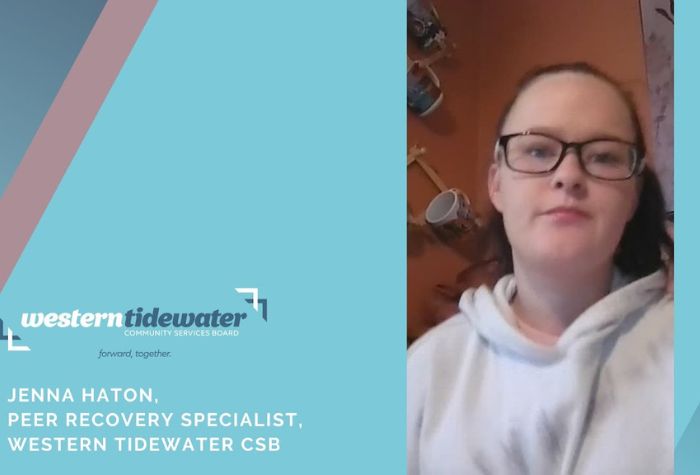
Why is Healthy Self-esteem Important to Our Mental Health?
Self-esteem is how we think about and value ourselves. It’s based on our opinions and beliefs about ourselves, which can be difficult to change, and has a direct link to our mental health and our quality of life.
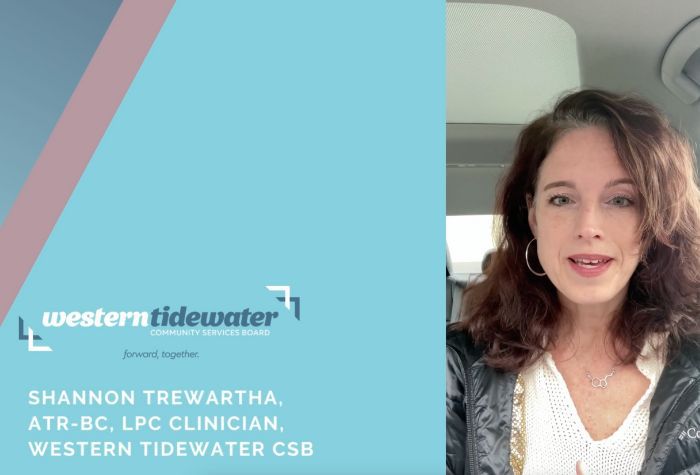
Talking to Your Kids About Mental Health
Talking to your kids about mental health doesn’t have to be hard. If you’re not sure how to start the conversation about mental health with your child, or what you should say, we have a few suggestions.
Employee Portal
The WTCSB Employee Portal is the one-stop for staff communication, information sharing, WTCSB policy information, downloadable forms, and more. This area is reserved for employees of WTCSB only.
WTCSB Job Board
Become a part of a community that cares. As a whole, WTCSB strives to value staff, support diversity, and promote excellence within. We are proud to be an equal opportunity employer.
Who We Are
Western Tidewater CSB is the leading authority in mental health and developmental services in Franklin, Suffolk, Isle of Wight County, and Southampton County. Learn more about what truly sets us apart.
